 Today's Read Contributor
 A newly released report from the American Library Association on March 28, 2026, highlights a notable shift in how Americans are consuming books, offering a detailed look at evolving reading habits across the country. The findings point to a steady rise in both print and digital formats, signaling renewed momentum for the publishing industry after years of fluctuation.
According to the report, public library circulation across the United States increased significantly over the past year, with both physical book checkouts and digital lending seeing measurable gains. This growth reflects a broader resurgence in reading, driven in part by changing lifestyle patterns, increased accessibility to digital platforms, and renewed interest in storytelling across multiple formats.
Print Books Make a Strong Comeback
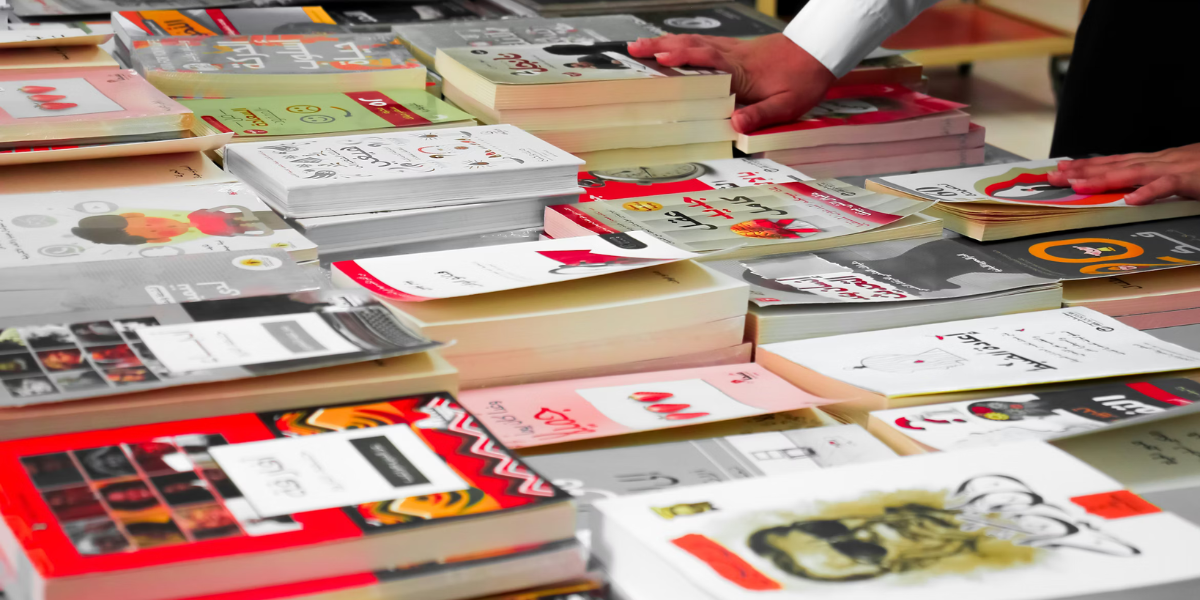
One of the most striking takeaways from the report is the continued strength of print books. While digital formats remain popular, print sales experienced a year-over-year increase, particularly in categories such as fiction, biographies, and self-development titles. Independent bookstores, many of which have adapted to hybrid retail models, reported improved foot traffic and higher engagement through in-store events and curated recommendations.
Industry analysts cited data from the Association of American Publishers, which supports this trend, noting that consumer demand for physical books has stabilized after earlier declines in the 2010s. Readers appear to value the tactile experience of print, especially for leisure reading and collectible editions.
Digital and Audiobooks Continue to Expand
At the same time, digital reading formats remain a major driver of industry growth. E-books and audiobooks both saw increases in usage, particularly among younger demographics and commuters. The report highlighted that audiobook consumption has grown at one of the fastest rates within the publishing sector, with more listeners turning to mobile platforms for convenience.
Platforms such as Amazon Kindle and Audible were identified as key contributors to this expansion, offering subscription-based access and a wide catalog of titles. Libraries have also played a role by expanding their digital collections, making reading more accessible to diverse audiences.
Libraries as Community Hubs
Public libraries across the U.S. have continued to evolve beyond traditional book lending. The report emphasizes their growing role as community centers, providing educational programming, digital literacy resources, and cultural events. Increased funding in several regions has allowed libraries to modernize their services and expand outreach efforts.
In cities like New York City and Los Angeles, library systems reported record attendance at author talks, workshops, and reading initiatives. These efforts have contributed to higher engagement levels and reinforced the importance of libraries in promoting lifelong learning.
Diverse Voices Gain Visibility
Another key finding is the rise of diverse authors and stories within mainstream publishing. Publishers have made a concerted effort to broaden representation, resulting in increased visibility for voices from various cultural and social backgrounds. This shift has resonated with readers seeking more inclusive narratives.
Data referenced from Pew Research Center indicates that readers are actively exploring books that reflect a wider range of experiences, contributing to the success of debut authors and independent publishers.
Impact on the Publishing Industry
The combined growth in print, digital, and library engagement suggests a more balanced and resilient publishing ecosystem. Industry experts note that diversification across formats has helped publishers adapt to changing consumer preferences. Rather than one format replacing another, the current landscape reflects coexistence and complementarity.
Major publishing houses have responded by investing in multi-format releases, ensuring that new titles are available simultaneously in print, e-book, and audio versions. This approach maximizes reach and aligns with how modern audiences consume content.
Key Takeaways for Readers
For everyday readers, the report highlights several important trends:
- Greater accessibility to books through libraries and digital platforms
- Increased variety in genres and author perspectives
- Continued relevance of print books alongside digital options
- More opportunities to engage with reading communities and events
These developments suggest that reading remains a central part of American culture, even as technology reshapes how content is delivered.
Looking Ahead
As the publishing industry moves further into 2026, experts anticipate continued growth driven by innovation and reader engagement. Advances in digital platforms, combined with sustained interest in physical books, are expected to support a stable and evolving market.
The report ultimately underscores a positive outlook for the industry, with reading habits adapting rather than declining. For publishers, libraries, and readers alike, the current trajectory points to a dynamic future where storytelling continues to thrive across formats.