Burbank Book Festival 2026 Brings Authors and Readers Together for a Celebration of Literature
California's October 3 literary event celebrated books, storytelling, and community connections through fiction, nonfiction, and children's literature.
The Burbank Book Festival brought a celebration of literature to Southern California on Saturday, October 3, 2026, offering readers, writers, and families an opportunity to explore books and engage with authors across multiple genres. Held at the Buena Vista Branch Library in Burbank, California, the free community event featured author discussions, book signings, storytelling activities, and conversations about the creative process.
Scheduled from 10 a.m. to 4 p.m., the festival emphasized the importance of making literature accessible while providing a platform for established and emerging writers. Its programming covered everything from children's picture books to contemporary fiction and nonfiction, reflecting the wide range of interests within today's reading community.
A Literary Event Designed for Readers of All Ages
The festival's programming was organized to accommodate different audiences, with activities dedicated to young readers, aspiring authors, and longtime book enthusiasts.
Children's activities included author read-aloud sessions featuring picture book writers and illustrators. Among the scheduled participants were Benson Shum, Nikkolas Smith, Livia Blackburne, and Emily Barth Isler.
These sessions offered families an opportunity to experience storytelling beyond the printed page, introducing younger audiences to the authors and illustrators responsible for creating their favorite books.
Meanwhile, dedicated signing sessions brought together writers working in children's literature, middle-grade fiction, young adult books, romance, and nonfiction.
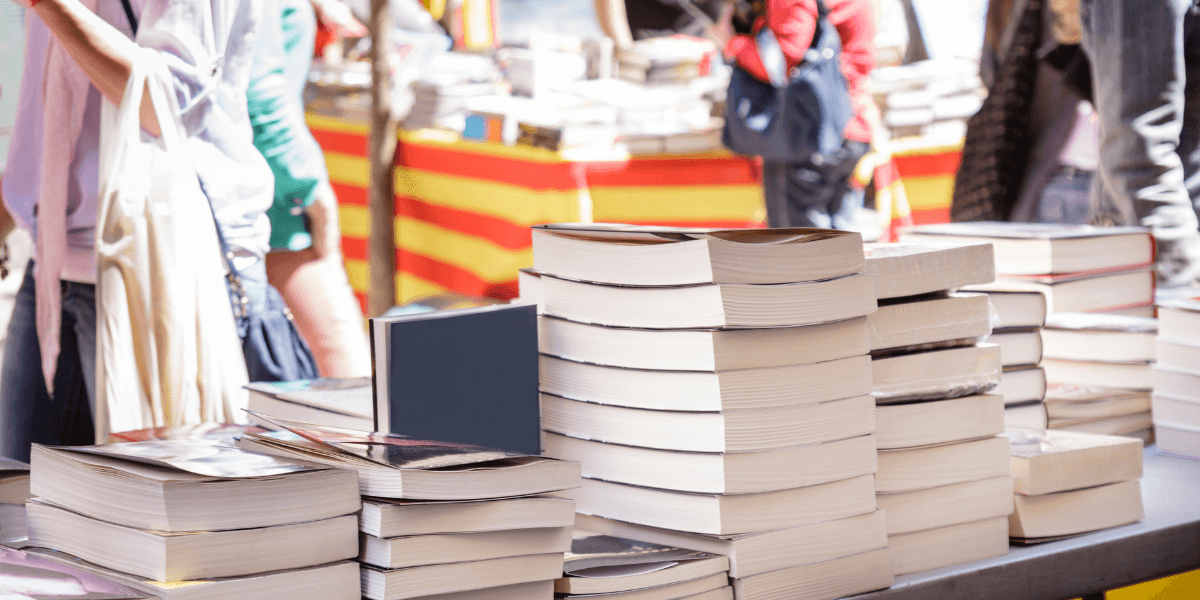
The event also included vendors and opportunities for visitors to discover unfamiliar titles, creating an environment that connected literary creativity with community participation.
Fiction Authors Explore the Creative Writing Process
One of the festival's scheduled discussions, "From Idea to Novel: The Writing Journey," focused on how authors transform initial concepts into completed works.
The panel featured Adele Griffin, Gary Phillips, Mansi Shah, and Naomi Hirahara, whose published works represent different approaches to fiction and storytelling.
The discussion was designed to examine character development, creative challenges, and the process of turning early ideas into finished manuscripts.
For aspiring writers, the session offered an opportunity to learn about the practical and creative demands of producing fiction. For readers, it provided additional context about the work involved in developing the stories they enjoy.
Such conversations also highlight an important aspect of publishing: books represent an extended creative process involving research, revision, editorial development, and decisions about how best to communicate with audiences.
Nonfiction Writers Highlight Research and Storytelling
Nonfiction received attention through the scheduled panel "Turning Research into Great Reading," which explored how factual information becomes engaging literature.
Participants included Anne Soon Choi, author of L.A. Coroner: Thomas Noguchi and Death in Hollywood, Darby Saxbe, author of Dad Brain, and Raziq Rauf, author of This Is Running.
Moderated by Jonathan P. Higgins, the conversation was designed to address research methods, interviews, archival materials, and the challenge of presenting complicated subjects in accessible language.
The session reflected nonfiction's ability to connect readers with subjects extending beyond their everyday experiences.
It also illustrated how careful research and clear writing can make specialized knowledge approachable without sacrificing factual accuracy.
Romance and Representation Take Center Stage
Romance literature was another focus of the festival, with a panel titled "Why We Still Need Happy Endings."
Scheduled speakers included Amy Spalding, Clare Osongco, and Maurene Goo, with Erin La Rosa serving as moderator.
The conversation explored the continuing appeal of romantic storytelling, changing publishing trends, and the importance of representation within the genre.
Another discussion, "Books That Reflect Our Communities," brought together Abdi Nazemian, Gretchen Schreiber, and Sherri L. Smith.
That session focused on authentic perspectives and literature's potential to encourage understanding among people with different backgrounds and experiences.
Together, these discussions demonstrated the festival's commitment to presenting books as both entertainment and opportunities for meaningful cultural connection.
Why Community Book Festivals Matter
The Burbank gathering formed part of a wider weekend of literary activity across the United States.
On October 3, the Collingswood Book Festival in New Jersey also scheduled its annual celebration, featuring authors, booksellers, workshops, and readings. The Boerne Book Festival in Texas similarly offered author conversations and storytelling programs.
These events demonstrate how local literary gatherings can create direct connections between authors and audiences while introducing readers to different genres and publishing voices.
Unlike interactions limited to online recommendations or bookstore displays, festivals provide opportunities for personal conversations about books, writing, and creative inspiration.
For independent authors and local literary organizations, community events also offer visibility and opportunities to participate in broader conversations about reading.
A Celebration of Literature Beyond the Page
The October 3 Burbank Book Festival showcased the variety of contemporary publishing through programming that included fiction, nonfiction, romance, and children's literature.
Its central message was straightforward: books remain an important way for people to exchange ideas, explore experiences, and build connections.
For readers, the event offered opportunities to discover new authors and better understand the creative process. For writers, it provided a community setting for discussing their work and engaging with audiences.
The festival ultimately illustrated how public libraries and literary events can help keep reading accessible, relevant, and connected to everyday community life.

Today’s Read Contributor
Desmond Clarke
Covers the publishing industry and narrative nonfiction, from acquisitions and imprints to the biographies readers are talking about.
This article features partner, contributor, or branded content from a third party. Members of the Today’s Read editorial staff were not involved in the creation of this content. All views and opinions are those of the contributor alone.