“Let Only Red Flowers Bloom” by Emily Feng: A Powerful Exploration of Resistance in China
In her compelling work Let Only Red Flowers Bloom, Emily Feng delves into the lives of individuals who stand against the oppressive forces shaping modern-day China. Through vivid storytelling and thorough research, Feng presents a portrait of defiance that underscores the personal and societal costs of resistance in a nation where conformity is strongly enforced by the government. This book sheds light on the struggles of those who, against overwhelming odds, fight to preserve their own identities and beliefs in a society that demands strict compliance.
Feng’s work is not just an academic exploration; it is a deeply human narrative that follows the journeys of everyday people who dare to challenge the government’s pervasive control over personal and collective identity. Whether through the subversion of cultural norms or the quiet refusal to yield to state-sanctioned definitions of identity, these individuals exemplify extraordinary courage. The book delves into their personal stories, capturing both their private anguish and public acts of resistance, offering readers an intimate glimpse into the harsh realities of life in a state where dissent is harshly punished.
At the core of Let Only Red Flowers Bloom is the theme of resilience. Feng examines how these acts of defiance, though small, serve as a powerful counterforce to a system that seeks to regulate every aspect of life. She shows how resistance takes many forms—from artistic expression and intellectual pursuit to simple acts of everyday rebellion. These individuals understand that the cost of standing against the state can be high, yet their stories illustrate a profound desire for autonomy and self-expression in the face of oppressive authority.
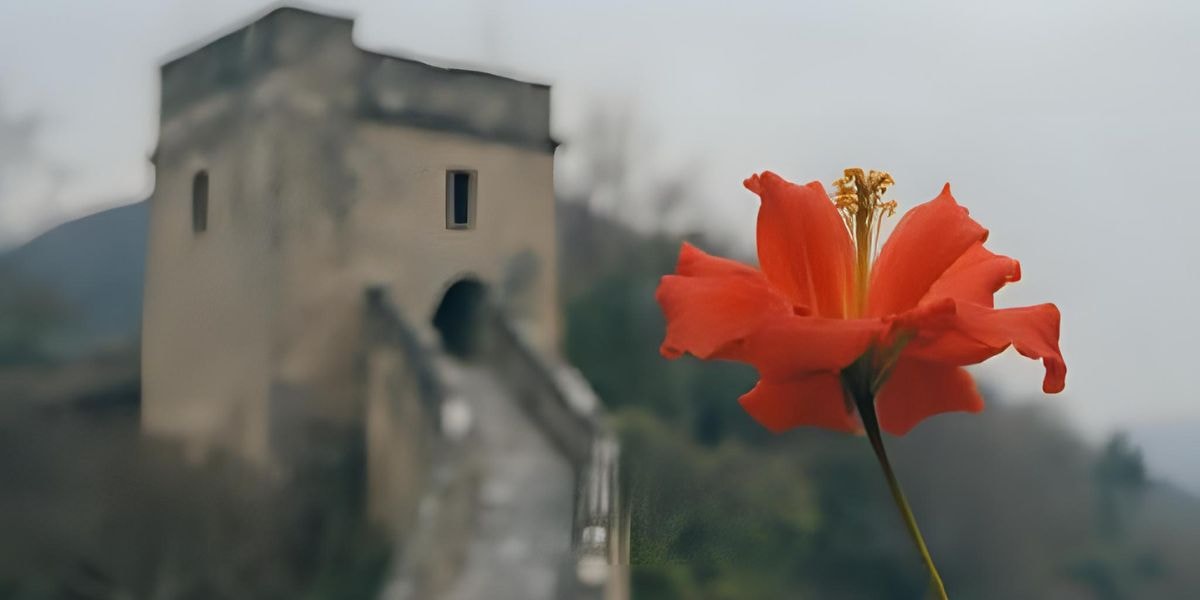
The title of the book is symbolic, referencing the government’s rigid policies that seek to eliminate diversity in favor of a singular, unified vision of the country. The “red flowers” allude to the official narratives of nationalism and ideological purity, while the refusal to let them “bloom” is a quiet but powerful rejection of such conformity. Through her exploration of these stories, Feng emphasizes the importance of individual identity, making a larger statement about the value of personal autonomy in a world increasingly dominated by surveillance and control.
Ultimately, Emily Feng’s Let Only Red Flowers Bloom is an exploration of resistance, not just in the political sense, but in a deeply personal way. It speaks to the human spirit’s inherent desire for freedom and individuality, even in the face of overwhelming adversity. The book offers a poignant reminder that, even in the most repressive environments, the quest for self-expression and authenticity remains a fundamental part of the human experience.

Today’s Read Contributor
Desmond Clarke
Covers the publishing industry and narrative nonfiction, from acquisitions and imprints to the biographies readers are talking about.
This article features partner, contributor, or branded content from a third party. Members of the Today’s Read editorial staff were not involved in the creation of this content. All views and opinions are those of the contributor alone.