
Daylight Saving Time 2026 Ends On November 1: What Americans Need To Know About The Seasonal Clock Change
Millions of Americans turned their clocks back on November 1, 2026, bringing earlier sunsets, brighter mornings, and a return to standard time.
For millions of Americans, Sunday, November 1, 2026, began with an unusual gift: an extra hour. While much of the country slept, clocks moved backward, marking the official end of daylight saving time 2026. The familiar seasonal adjustment brought brighter mornings, earlier sunsets, and changes to daily schedules. Although the shift happens every autumn, it remains a significant nationwide event that affects households, businesses, transportation, and communication across time zones.
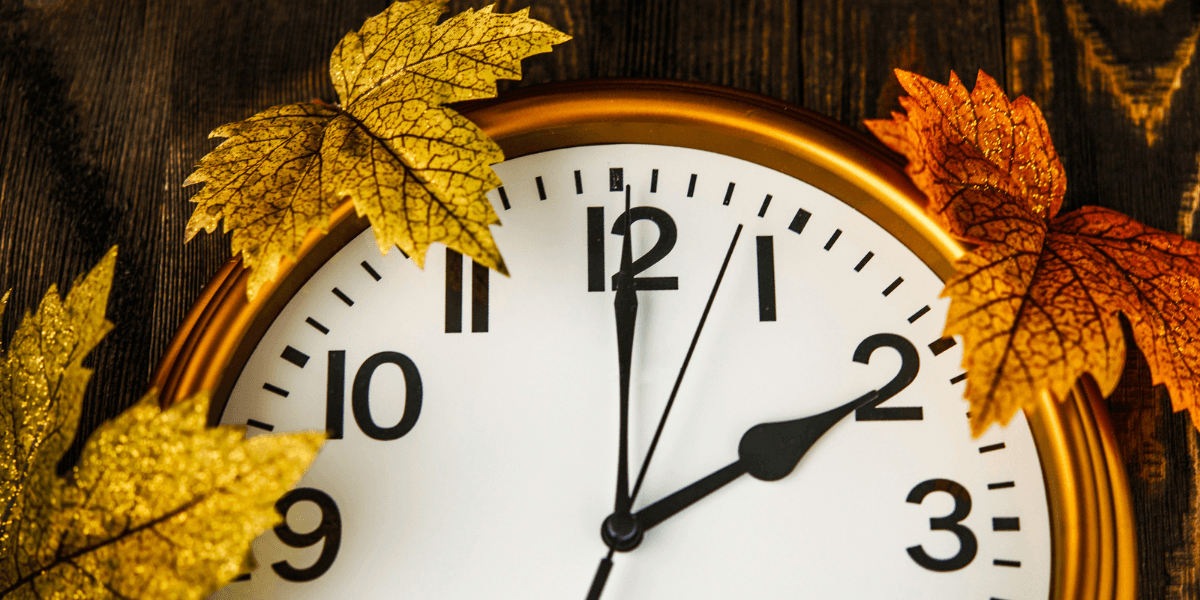
Daylight saving time officially ended at 2 a.m. local time on November 1. At that moment, clocks returned to 1 a.m., giving residents in participating areas an additional hour. The change marked the return to standard time, which will remain in effect until March 14, 2027. While many electronic devices adjusted automatically, traditional clocks and some household appliances required manual updates.
Why Daylight Saving Time 2026 Ended On November 1
The United States follows a schedule established under federal law. Daylight saving time begins on the second Sunday in March and ends on the first Sunday in November. In 2026, the spring transition occurred on March 8, while the autumn change took place on November 1.
The current schedule dates to changes introduced through the Energy Policy Act of 2005, which took effect in 2007. Those changes extended daylight saving time by several weeks. The practice itself has a much longer history, with federal daylight saving measures dating to 1918.
The central purpose of daylight saving time is to shift an hour of daylight toward the evening during warmer months. When standard time returns in autumn, daylight becomes available earlier in the morning according to the clock, while sunset also occurs earlier.
What The November Time Change Means For Americans
The most noticeable effect of the November transition is the change in daylight hours. Sunrise and sunset occur approximately one hour earlier by the clock after the adjustment. This means commuters may experience more daylight during morning travel, while families returning home in the late afternoon may notice darkness arriving sooner.
The change does not create additional sunlight. Instead, it changes how daylight aligns with the clock. This distinction matters for anyone planning outdoor activities, school transportation, work schedules, or evening travel.
For businesses and individuals coordinating appointments across different regions, the transition also requires attention to time zones. Digital devices connected to automatic time services generally update themselves, while traditional clocks and some household appliances may require manual adjustment.
Which States Do Not Observe Daylight Saving Time?
Not every part of the United States participates in the seasonal clock adjustment. Hawaii and most of Arizona remain on standard time throughout the year. The Navajo Nation, which extends into northeastern Arizona, is an important exception because it observes daylight saving time.
Several American territories, including Puerto Rico, Guam, American Samoa, and the U.S. Virgin Islands, also do not observe the seasonal change.
These exceptions can create confusion for travelers and people communicating across state boundaries. Understanding regional differences is particularly important when arranging flights, scheduling meetings, or contacting relatives in different parts of the country.
How The Time Change Can Affect Sleep And Daily Routines
Although gaining an hour may sound appealing, changes in sleep schedules can still require adjustment. The body's internal clock responds to light and darkness, making consistent routines important during seasonal transitions.
Changes in daylight exposure can influence sleep patterns and alertness. However, the effects differ between individuals, and the autumn transition is generally considered easier to manage than the spring adjustment because people gain an hour rather than lose one.
Maintaining regular bedtimes, getting natural morning light, and allowing sufficient time for rest can help people maintain consistent schedules as the days become shorter. Families may also find it useful to review children's bedtime routines and prepare for darker evenings.
When Will Daylight Saving Time Return In 2027?
The next scheduled daylight saving time transition will occur on Sunday, March 14, 2027, at 2 a.m. local time. Clocks in participating areas will move forward to 3 a.m., shifting an additional hour of daylight toward the evening.
Until then, standard time will remain in effect across participating states. Residents can use the coming months to adjust their routines, check household clocks, and plan activities around earlier sunsets.
The November 1 transition serves as a reminder that even a familiar one hour adjustment can influence everyday life. Understanding when clocks change, where exceptions apply, and how to prepare helps families and businesses navigate the season with greater confidence.
As the United States settles into standard time, the most practical takeaway is simple: confirm that clocks are accurate, stay mindful of regional time differences, and adjust daily schedules to match the changing daylight hours.

Today’s Read Contributor
Desmond Clarke
Covers the publishing industry and narrative nonfiction, from acquisitions and imprints to the biographies readers are talking about.
This article features partner, contributor, or branded content from a third party. Members of the Today’s Read editorial staff were not involved in the creation of this content. All views and opinions are those of the contributor alone.