
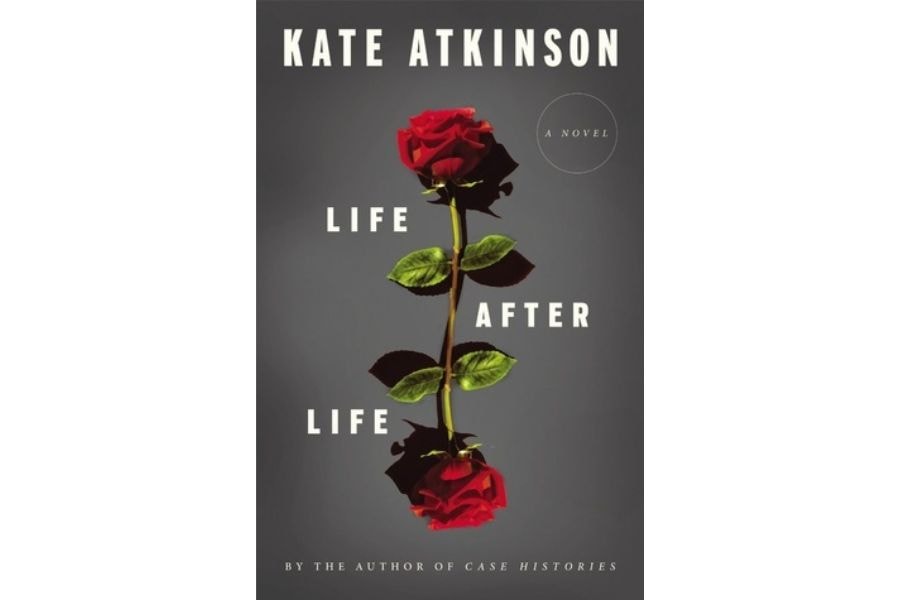
Life After Life: A Thought-Provoking Exploration of Fate, Choices, and the Power of Alternate Realities
Kate Atkinson’s Life After Life is a masterfully inventive and thought-provoking novel that delves into the complexities of fate, memory, and the choices that shape our lives. The story follows Ursula Todd, a woman who experiences multiple lives, each one marked by different choices, outcomes, and paths—sometimes dying at a young age, other times living longer with a different fate. Through Ursula’s experiences, Atkinson explores the notion of destiny, the randomness of life, and the impact of individual decisions. The novel’s shifting timelines and alternate realities add layers of depth, making it both an emotionally compelling and intellectually stimulating read.
At the core of Life After Life is Ursula herself. Born in 1910 in England, Ursula lives through pivotal moments in history, including World War I and World War II, and her journey spans across many of the turbulent years of the 20th century. Each time Ursula dies, she is reborn into a new version of her life, where small decisions—like whether to cross the street at a particular moment or whether to speak up in a conversation—can dramatically alter her future. This structure allows Ursula to live through a variety of different lives, experiencing both triumphs and tragedies, yet always with the knowledge that death and rebirth are inevitable.
Atkinson’s narrative structure is one of the novel’s most striking elements. The story is told through shifting timelines, with each version of Ursula’s life providing a new perspective on the past and the future. The novel moves fluidly between different iterations of Ursula’s life, offering glimpses of alternate possibilities and diverging realities. Atkinson uses this shifting narrative not just as a narrative device, but as a way to explore the themes of destiny and the randomness of life. The reader is taken on a journey through alternate realities, where seemingly inconsequential moments change the course of history and the trajectory of Ursula’s personal life.
The novel’s exploration of memory is also central to its thematic richness. Ursula’s repeated lives are not simply an exploration of fate and choice, but also of the ways in which memory can shape who we are. With each rebirth, Ursula retains a sense of the lives she has lived before, even though the people around her remain unaware of the different paths she has taken. This recursive structure allows Ursula to reflect on the impact of her previous actions and the consequences of the choices she makes each time. Atkinson beautifully captures the complexities of memory, both as a tool of personal growth and as a source of confusion, as Ursula tries to make sense of her multiple lives.
One of the novel’s most poignant themes is the randomness of life and the question of how much control we really have over our fate. Ursula’s experiences show that even the smallest actions can have enormous consequences, yet the randomness of her rebirths makes it clear that the line between fate and free will is never straightforward. At times, Ursula’s choices seem to alter the course of her life for the better, while at other times, the choices she makes—no matter how carefully considered—lead to tragic outcomes. Atkinson questions whether it is truly possible to control our destinies or whether life’s twists and turns are determined by forces beyond our control.
Life After Life also grapples with the broader scope of history, particularly the impacts of World War I and World War II. Ursula’s experiences living through these global conflicts, and the varying ways she navigates them across her different lives, provide a poignant exploration of the human experience during times of war. Through Ursula’s many lives, the novel reveals the intimate, personal costs of war, as well as the complex choices individuals must make in the face of tragedy and violence.
Atkinson’s writing is both elegant and thought-provoking, and her exploration of profound themes is enriched by her nuanced and deeply human portrayal of Ursula. The novel is more than a simple exercise in speculative fiction; it is a meditation on the nature of life, the consequences of our actions, and the profound impact that memory and experience have on our identities. Ursula’s journey, in all of its variations, speaks to the complexities of the human condition, and her multiple lives become a lens through which we can examine the fleeting yet meaningful moments that define our existence.
Life After Life is a beautifully written and emotionally resonant novel that will leave readers contemplating the nature of fate, free will, and the infinite possibilities of the lives we could lead. By offering multiple versions of a single life, Atkinson creates a powerful narrative that explores how even the smallest moments can change everything—and how, despite our best efforts, life remains unpredictable and unknowable. The novel is a profound reflection on the power of choice, the randomness of life, and the enduring human spirit that persists through both triumph and tragedy.

Today’s Read Contributor
Eleanor Voss
Covers fiction and criticism, reviewing new novels and the writers shaping contemporary storytelling.
This article features partner, contributor, or branded content from a third party. Members of the Today’s Read editorial staff were not involved in the creation of this content. All views and opinions are those of the contributor alone.