
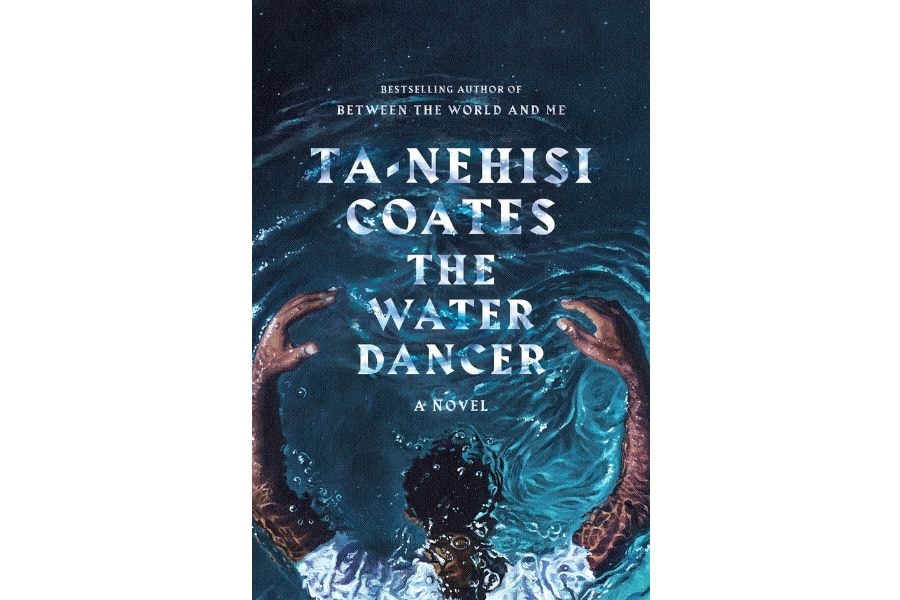
The Water Dancer: A Journey of Memory and Liberation
Ta-Nehisi Coates’ debut novel, The Water Dancer, is a poignant and captivating work that combines historical fiction with elements of magical realism to create a powerful narrative about the horrors of slavery in America and the quest for freedom. The novel introduces readers to Hiram Walker, a young man born into bondage, whose life is marked by both the brutality of enslavement and the mystery of a supernatural power that he slowly comes to understand. Coates’ storytelling is masterful, using Hiram’s journey to illuminate the complexities of memory, family, identity, and the deeply entrenched history of slavery in America.
Set in the Antebellum South, The Water Dancer revolves around Hiram’s struggle to reconcile his existence as a slave with the burgeoning awareness of his own unique abilities. As Hiram grows, he discovers that he possesses an extraordinary power known as “conduction,” which allows him to transport people across great distances—a form of magical transportation. This power, which Hiram inherits from his mother, who is a central figure in his memory but is tragically lost early in his life, becomes a tool in his quest to escape and later to free others.
What sets The Water Dancer apart from other novels about slavery is its use of magical realism to explore the emotional and psychological toll of slavery. The “conduction” power is not just a physical ability but serves as a metaphor for the connection between people, the weight of memory, and the forces that bind individuals to oppressive systems. Coates weaves this element of magic into the narrative as both a literal escape and a representation of how the pain of enslavement and the desire for freedom are deeply intertwined with one’s history and identity.
In addition to its central magical plotline, the novel is also an exploration of Hiram’s family dynamics. Hiram is raised by an absent father and a complex set of relationships within the slave community on the estate of his master, Thaddeus Vaughan. His journey to understand himself and his past involves confronting the complex emotions surrounding his family, his status as a slave, and the cruel divide between himself and the white aristocracy that seeks to control his fate.
Coates’ prose throughout the novel is striking and poetic, enhancing the emotional depth of Hiram’s personal journey. The writing is lush and evocative, offering both the sharp edges of historical reality and the dreamlike qualities of Hiram’s extraordinary experiences. The use of water imagery is especially notable, symbolizing the fluidity of memory, the power of resilience, and the vastness of the struggle for freedom. Through Hiram’s eyes, readers gain insight into the unimaginable pain and trauma of slavery, while also witnessing a powerful, albeit painful, journey toward self-liberation.
At its core, The Water Dancer is a story about the ways in which people are shaped by their pasts and how they fight to reclaim their futures. It confronts uncomfortable truths about America’s history, grappling with the moral and psychological impacts of enslavement on both the enslaved and their oppressors. Despite the heavy themes, there is a sense of hope embedded in Hiram’s story—his eventual path to liberation represents not just an escape from physical chains, but a deeper, more spiritual form of freedom that is intimately tied to one’s sense of self and memory.
Coates’ novel is not just an exploration of the pain of slavery, but also a profound meditation on the power of resistance, memory, and the human will to survive. The Water Dancer leaves a lasting impression, not just as a historical fiction, but as a powerful meditation on history, identity, and the fight for freedom in the face of unimaginable odds.

Today’s Read Contributor
Eleanor Voss
Covers fiction and criticism, reviewing new novels and the writers shaping contemporary storytelling.
This article features partner, contributor, or branded content from a third party. Members of the Today’s Read editorial staff were not involved in the creation of this content. All views and opinions are those of the contributor alone.