
America’s 2026 Summer Book Season Begins With Strong Momentum Across the Publishing Industry
The U.S. publishing industry entered one of its busiest periods of the year on May 12, 2026, as publishers, bookstores, and literary media outlets highlighted the arrival of the annual summer book season. Industry analysts and publishing professionals say this year’s release calendar reflects continued consumer demand for fiction, memoirs, and literary nonfiction, while also demonstrating the growing influence of audiobooks, online reading communities, and cross-platform media promotion.
Several major publishing outlets reported heightened attention around May’s new releases, traditionally considered one of the most commercially important windows for the American book market. Publishers are rolling out large-scale promotional campaigns for highly anticipated novels, memoirs, and genre titles expected to shape bestseller lists throughout the summer.
The strong publishing calendar arrives at a time when the broader book industry continues adapting to changing consumer habits. Digital reading, audiobook subscriptions, and online recommendation platforms remain major drivers of sales growth. At the same time, independent bookstores in many U.S. cities have reported steady foot traffic tied to author events, book clubs, and community-focused programming.
Industry observers say the current publishing cycle reflects a broader effort by publishers to balance commercial success with literary diversity. Fiction releases this season span literary drama, speculative fiction, romance, and mystery, while nonfiction offerings focus heavily on personal reflection, social trends, science, and wellness. Publishers have also emphasized debut authors and multicultural storytelling in an effort to reach younger audiences and expand readership demographics.
Among the books receiving early attention this month are major releases by established literary figures and bestselling commercial authors. Industry insiders have described the 2026 season as a “blockbuster” period for books, mirroring the excitement often associated with the summer film industry.
The publishing industry is also benefiting from continued enthusiasm generated by online reading communities, especially platforms that influence consumer purchasing habits through viral recommendations and reader discussions. Analysts say these communities have become increasingly important for publishers attempting to build long-term audience engagement beyond traditional advertising campaigns.
Meanwhile, literary awards and recognition programs are helping spotlight emerging voices and specialized genres. Earlier this month, organizers announced finalists for several prestigious literary and media awards, recognizing excellence in writing, journalism, and storytelling. These programs continue to reinforce the cultural relevance of books and publishing in the broader entertainment landscape.
Publishing professionals also point to audiobook growth as one of the sector’s strongest trends. Audio publishers have expanded investments in celebrity narrators, serialized storytelling, and subscription-based listening platforms. Industry experts say audiobooks continue attracting younger consumers who combine reading with commuting, exercise, or multitasking.
Another notable trend in 2026 is the growing international reach of American publishing. U.S. publishers are increasingly collaborating with foreign-language markets and international distributors to broaden access to bestselling titles. Recent expansion announcements from several publishing companies reflect continued confidence in global demand for English-language books.
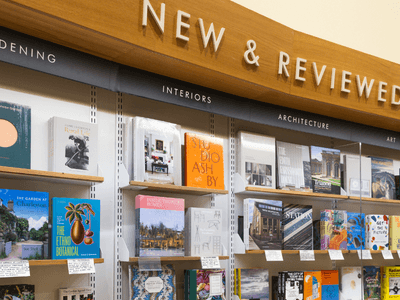
At the retail level, bookstores are preparing for a competitive summer marketplace. Independent retailers have introduced curated recommendation programs and themed displays to help readers navigate the large number of new releases. Many stores are also expanding partnerships with schools, libraries, and local literary festivals to encourage community participation and reading engagement.
Publishing analysts say the industry’s resilience is particularly notable given the broader challenges facing media and entertainment businesses. While streaming services and short-form digital content compete heavily for consumer attention, books continue to maintain a loyal readership base. According to industry observers, readers increasingly view books as a slower, more focused alternative to constant digital consumption.
The start of the summer publishing season also carries significant economic importance for the industry. Major releases launched between May and August often influence annual sales performance for publishers, booksellers, and literary agencies. Successful summer titles can generate long-term bestseller momentum heading into the fall awards season and holiday shopping period.
For readers, the 2026 publishing calendar offers a wide range of options across genres and formats. From literary fiction and memoirs to investigative nonfiction and commercial thrillers, publishers are aiming to meet demand from both longtime readers and new audiences discovering books through digital platforms and social recommendations.
As the industry moves deeper into the summer release cycle, publishing executives remain cautiously optimistic about continued growth. Strong early interest in new releases, combined with expanding audiobook markets and active reader communities, suggests that books remain an influential and evolving part of American cultural life in 2026.

Today’s Read Contributor
Desmond Clarke
Covers the publishing industry and narrative nonfiction, from acquisitions and imprints to the biographies readers are talking about.
This article features partner, contributor, or branded content from a third party. Members of the Today’s Read editorial staff were not involved in the creation of this content. All views and opinions are those of the contributor alone.