The Psychologist Who Reframes Sensitivity as a Strength
Sandra Zecevic-Gonzalez explores sensitivity, burnout, creativity, and emotional wellbeing through psychology-informed educational resources for adults.
For anyone who has ever been told they feel too much, think too deeply, or take things too personally, Sandra Zecevic Gonzalez has written the book they didn’t know they needed.
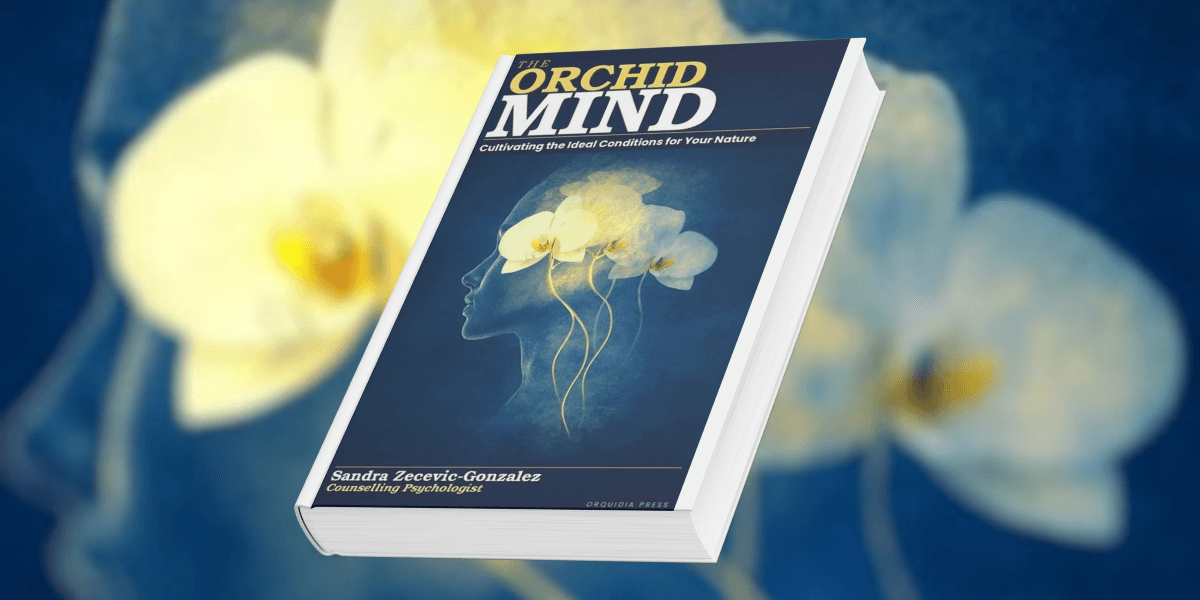
The Orchid Mind is the debut book from the West London-based Counselling Psychologist and Accredited CBT Therapist, and it arrives at a moment when conversations around burnout, overstimulation, and emotional exhaustion have never felt more urgent. Drawing on more than twenty years of clinical experience working with individuals from diverse professional, cultural, and international backgrounds, Sandra has written something genuinely rare: a psychology book that reads like a conversation rather than a prescription.
The central idea is deceptively simple. Orchids, unlike hardier plants, require very particular conditions to thrive: the right light, the right temperature, the right care. Sandra uses this as a lens through which to examine emotional sensitivity not as a flaw to be managed, but as a trait that, properly understood, can be a profound source of creativity, empathy, and intuition. It is a reframe that will feel quietly revelatory to many readers who have spent years wondering why the world sometimes feels louder, more intense, and more demanding for them than it seems to for others around them.
“The Orchid Mind sits equally on a therapist’s bookshelf and on a bedside table,” Sandra explains. “It offers psychologist-level insight and evidence-informed tools people can explore at their own pace while helping them better understand sensitivity, stress, and emotional balance.”
The book weaves together accessible psychological insight with reflective exercises, exploring how perfectionism, overstimulation, and sustained stress can quietly erode wellbeing, and what readers can actually do about it. Sandra draws on Cognitive Behavioural Therapy, Compassion Focused Therapy, and mindfulness-informed approaches, but wears this expertise lightly. The result feels less like a textbook and more like a knowledgeable friend helping you make sense of your own patterns, your reactions, and the environments that bring out the best and worst in you.
This depth of understanding did not emerge from clinical training alone. Sandra is an avid creative herself, and regards creative expression as one of her own most sustaining practices. This personal relationship with creativity, its capacity to process, restore, and illuminate, runs throughout the book and lends it a warmth that distinguishes it from more purely instructional self-help titles. She understands from the inside what it means to need an outlet, not just a technique.
That blend of professional rigour and lived perspective has shaped a thriving private practice, where Sandra works with individuals navigating anxiety, burnout, creative blocks, and emotional overwhelm. Her client base reflects her unusually broad experience: over two decades she has worked with people from a wide range of professional, cultural, and international backgrounds, and has collaborated with Coram IAC in conducting psychological evaluations related to intercountry adoption processes. Her multilingual background and international outlook have given her a sensitivity to how differently the same pressures can land depending on who you are and where you come from.
What gives The Orchid Mind its particular texture is precisely this international perspective. There is no one-size-fits-all sensitivity here. Sandra is alert to how external environments, expectations, and cultural pressures shape emotional experience differently from person to person, an insight that makes the book feel genuinely inclusive rather than written with a single imagined reader in mind.
[IMAGE: https://bizweekly.com/wp-content/uploads/2026/05/download-2-4.jpeg]
Sandra has also contributed written work to a number of organisations and publications connected to counselling, psychotherapy, and nutritional psychology, building a reputation as a thoughtful and accessible voice on emotional wellbeing beyond the therapy room. The Orchid Mind represents the fullest expression of that voice to date: a book that synthesises her clinical knowledge, her creative sensibility, and her years of listening closely to how people actually experience the challenges of modern life.
The timing feels significant. As workplace burnout, digital overwhelm, and the relentless pace of modern life continue generating headlines, The Orchid Mind offers something the self-help genre does not always deliver: genuine clinical depth, without the jargon. For readers who have worked their way through the usual wellness titles and want something with more substance, something that takes their emotional lives seriously and offers real tools rather than reassuring platitudes, this is a thoughtful and rewarding next step.
The book discusses how factors such as perfectionism, overstimulation, and prolonged stress exposure can contribute to emotional exhaustion, while also exploring the less-examined strengths that often accompany high sensitivity: a capacity for deep connection, heightened aesthetic awareness, rich inner life, and the kind of empathy that makes someone extraordinarily good at understanding others, even when it costs them something personally.
As public interest in emotional wellbeing continues to grow and evolve, The Orchid Mind reflects a broader and welcome shift in the conversation: away from symptom reduction and toward a more nuanced understanding of how our inner lives, our environments, our relationships, and our creative expression all shape who we are and how we feel.
Readers can find out more about Sandra Zecevic Gonzalez and The Orchid Mind at Orquidia Therapy website, or follow her on LinkedIn and Instagram.

Today’s Read Contributor
Harriet Nyong'o
Covers authors and their working lives, profiling the writers behind the year's most discussed books.
This article features partner, contributor, or branded content from a third party. Members of the Today’s Read editorial staff were not involved in the creation of this content. All views and opinions are those of the contributor alone.