Your Dog Is Not Your Best Friend
You can love your dog like family. But the relationship comes with responsibilities that friendship doesn’t.
By Blair Diamond
Your dog is not your best friend. Before you get offended, let me ask you something: Do you decide when your best friend gets to leave the house? Do you put a leash on them before they go outside? Do you tell them where to sleep, when to eat, and whether they’re allowed to approach someone?
Of course not. You don’t get to take your best friend hostage. But with your dog, you control the front door. You control the food. You control access to the outside world. And then we call that a best-friend relationship. I think we need to look at what that relationship actually is.
Picture a dog in a rural community where roaming is part of daily life. The dog wakes up, wanders off the property, and meets up with a couple of other dogs that have moseyed away from their homes. They explore. They sniff. They visit familiar places. One house has a dish of water. Another has someone who hands out treats. It’s like knowing which houses have their lights on at Halloween.
Then, at the end of the day, it’s, “All right, guys. Later.” And the dog goes home. There’s food there. Shelter. Affection. A familiar person to settle down beside. That picture comes closer to what I mean by a best-friend relationship: companionship with room to come and go.
That isn’t a description of every dog’s past. Cities had dogcatchers and pounds long before most of us were born. But the existence of animal control and the everyday expectation that a dog remain contained or supervised are two different things. Where you lived mattered.
And for many dogs today, that come-and-go life simply isn’t available. We have fences, leashes, and closed doors. If a dog is wandering through the neighborhood, someone calls: “There’s a loose dog.” Animal control may pick it up, and the owner has to come get it. The expectation is that someone is responsible for knowing where that dog is. Does that sound like how we treat an independent adult friend? Or does it sound closer to how we look after a child?
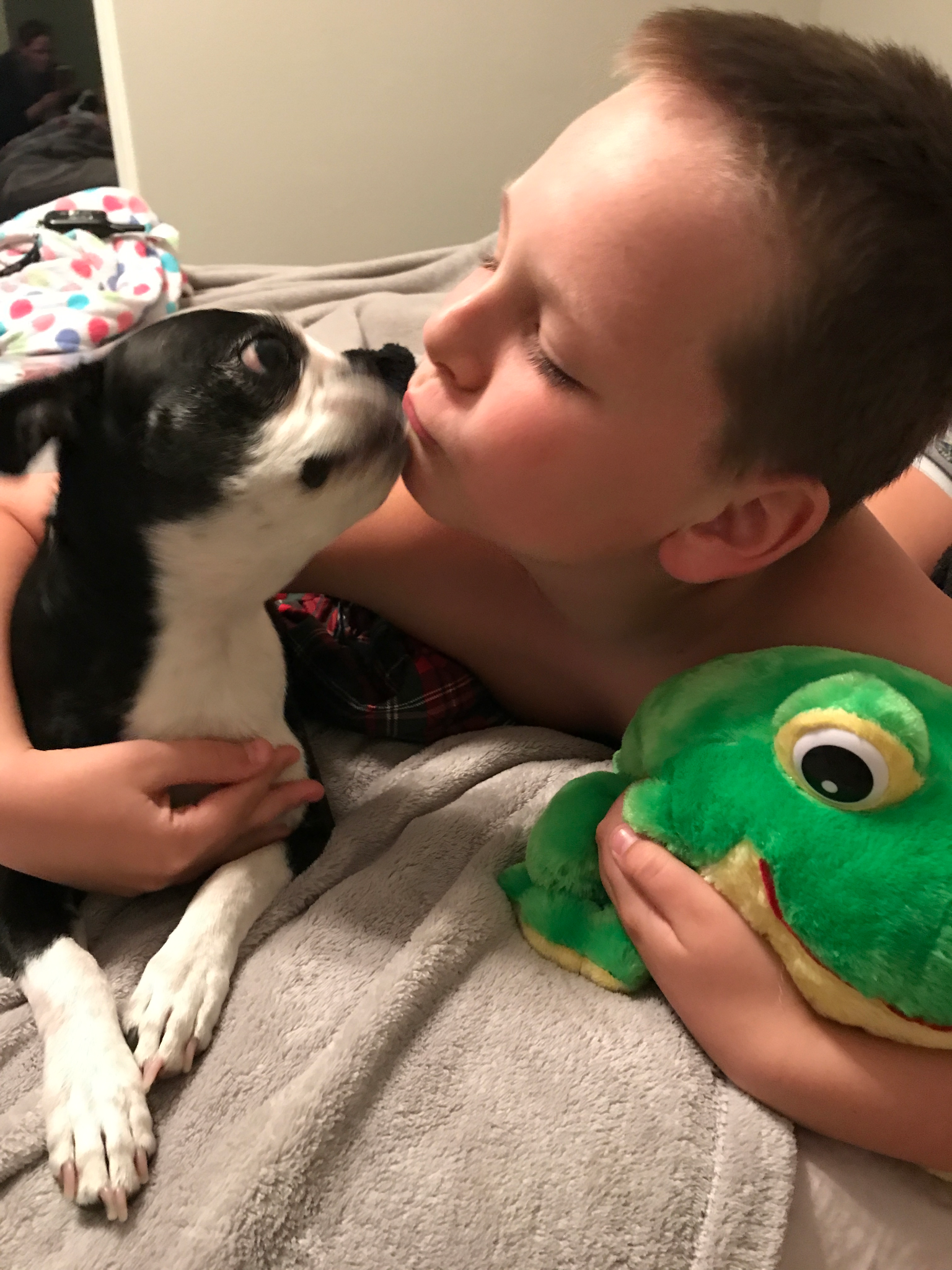
I’m a father. When my children were young, I was responsible for where they were, whether they went to school, and whether they were safe. I couldn’t just say, “Well, they’re my best friends. They can make their own decisions.” I had a job to do.
That’s the shift I want dog owners to consider: your dog is your four-legged child. You make the rules. You teach the rules. You provide what they need to succeed within those rules. And I love my children more than I love my best friends. So this idea that a parent-child relationship somehow means less love makes no sense to me. It means more responsibility.
You and your best friend can have boundaries. But you don’t have parental authority over your best friend. You don’t get to decide their bedtime or require permission before they cross the street. With a dependent child, taking responsibility for those decisions is part of caring for them. With a dog, we’re already making those decisions. The question is whether we’re willing to accept everything that comes with them.
Because here’s where people can get stuck: they feel guilty making rules for their “best friend,” even while controlling nearly every part of that friend’s life. “I don’t want to tell him no.” “I feel bad making her wait.” “I just want him to be happy.”
I understand. But if your dog can’t safely run into the street, you need to teach what happens at an open door. If visitors are coming over, you need to help your dog understand how to share that space. The dog doesn’t arrive knowing how your household works. Teaching that is your responsibility. So is providing a life worth living inside the boundaries you’ve created.
You can’t take away a dog’s freedom to go exploring and then act surprised that it needs something to do. If your dog can’t leave the property to investigate the world, who’s going to provide opportunities to explore? You are. Who provides physical activity, mental stimulation, and opportunities to sniff, play, learn, and make choices safely? You do. A fenced yard gives you a boundary. It doesn’t automatically give your dog a fulfilling day.
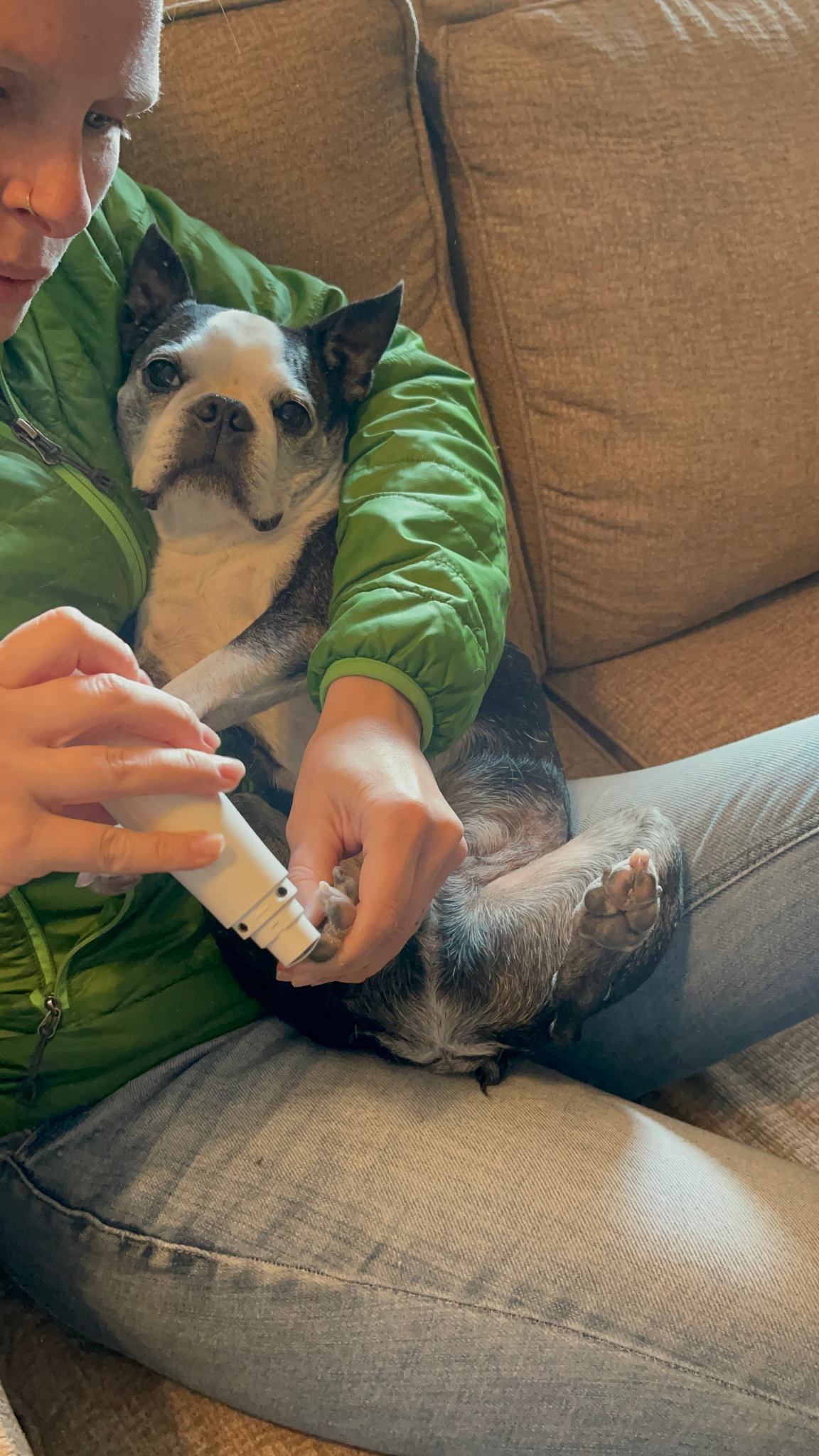
Think about a child. You wouldn’t point to the backyard and say, “There’s your whole life. Entertain yourself.” You would think about learning, activity, relationships, rest, and experiences beyond the house. You would take responsibility for helping that child develop. Your dog needs you to think beyond food, shelter, and affection, too.
That’s why the parent-child comparison matters to me. It changes the question from “Why should I make rules for my best friend?” to “What am I responsible for teaching and providing?” It also puts an obligation on the rule maker. If I expect my dog to live within the limits of my world, I need to make room for the needs of theirs. I need to teach clearly, provide consistently, and pay attention to the individual in front of me. I need to give them opportunities to enjoy being a dog.
I can love my dog, laugh with my dog, and enjoy that companionship every day. But my dog depends on me in ways my best friend doesn’t. Your dog is your four-legged child. And you have a job to do.
Connect with Primal Needs, Instagram, and Facebook.

Today’s Read Contributor
Today's Read Contributor
This article features partner, contributor, or branded content from a third party. Members of the Today’s Read editorial staff were not involved in the creation of this content. All views and opinions are those of the contributor alone.