New York Public Library Acquires Isabel Allende’s Literary Archive
The New York Public Library preserves Isabel Allende’s literary legacy through an extensive archive documenting decades of writing, correspondence, and personal history.
A Major Moment for Literary History
Some stories live on long after their final pages are written. For internationally acclaimed novelist Isabel Allende, that legacy now has a permanent home at one of America’s most important cultural institutions.
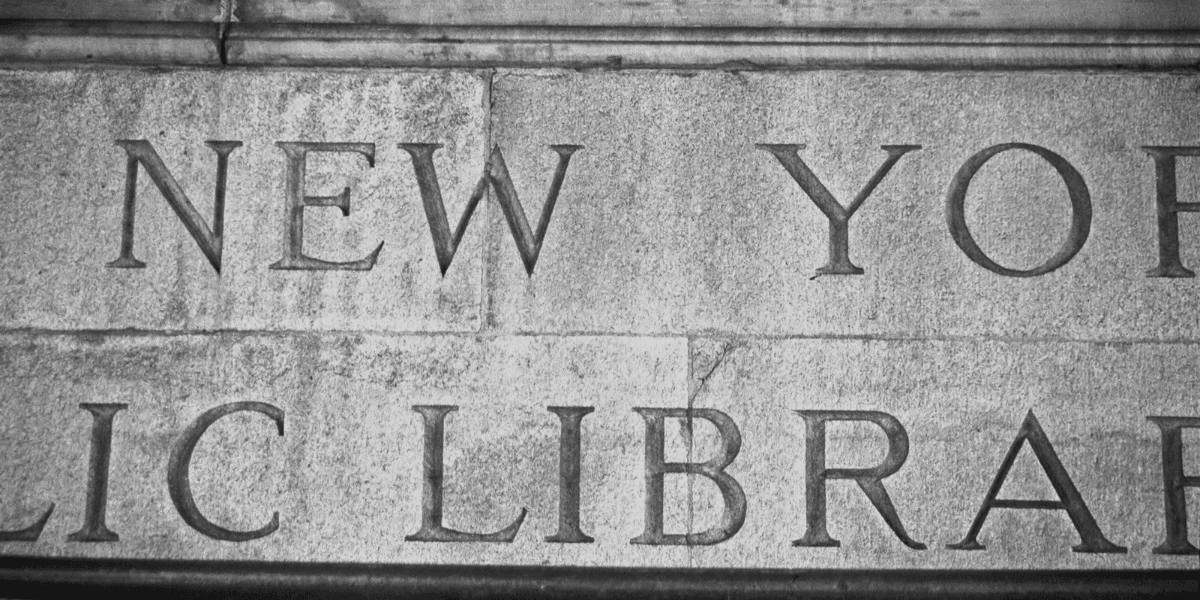
On November 23, 2026, news emerged that the New York Public Library had acquired Allende’s personal papers, marking a significant development for literary preservation and research in the United States. The collection brings together decades of material from the life and career of an author whose work has reached readers across continents.
The acquisition offers more than an opportunity to revisit familiar novels. It provides a closer look at the experiences, relationships, correspondence, and creative processes behind a remarkable literary career.
Isabel Allende’s Lasting Literary Influence
Allende is widely recognized for her contributions to fiction and nonfiction. Her books have been translated into 42 languages and have sold more than 80 million copies worldwide. Across more than 30 published works, she has explored family relationships, memory, identity, history, and the experiences that shape individual lives.
Her international readership has helped establish her as an influential voice in contemporary literature, particularly in the tradition of Latin American storytelling.
Over the years, Allende has also received numerous distinctions, including lifetime achievement recognition from the Library of Congress and the National Book Foundation. These honors reflect the lasting importance of her work within the broader literary community.
The preservation of her papers therefore represents an important opportunity to document not only an individual writing career but also a significant part of modern literary history.
What the Archive Contains
The collection spans material from the 1960s through 2025. Among its notable contents are tens of thousands of letters exchanged between Allende and her mother, professional correspondence, family photographs, and videos.
These materials offer researchers an opportunity to examine the personal and professional experiences that accompanied the author's development over several decades.
Correspondence can provide valuable insight into the relationships and conversations that influence creative work. Family photographs and videos can also help document the personal environment surrounding an author's life.
For readers, the collection presents another way to understand the person behind the published books. For scholars, it offers primary historical material that may support future research into literature, cultural history, and the development of an internationally recognized author.
The archive's breadth is particularly meaningful because it covers such an extensive period. Rather than focusing exclusively on published manuscripts, it preserves different forms of communication and personal documentation that help establish a fuller historical record.
Why the New York Public Library Acquisition Matters
The New York Public Library has a long-standing role in preserving materials that contribute to public knowledge and cultural understanding. Its acquisition of Allende's papers adds an important literary collection to that mission.
Personal archives are valuable because published books rarely reveal the complete process behind their creation. Letters, photographs, professional documents, and other records can help researchers understand the circumstances surrounding an author's work.
Such collections also create opportunities for future generations to explore literary history through original materials rather than relying entirely on biographies or published accounts.
The acquisition is especially relevant to students, educators, literary historians, and readers interested in Latin American literature. It provides a foundation for further study of Allende's career and the cultural experiences reflected in her writing.
However, the announcement does not necessarily mean that every item will immediately become available for public viewing. Researchers and visitors should consult the library for information about access, cataloging, and any future exhibitions.
A Personal Legacy Preserved for Future Generations
Allende welcomed the preservation of her papers, describing it as an honor to have her legacy safeguarded within the New York Public Library. She also expressed gratitude that students, researchers, and readers would be able to explore the experiences represented in the collection.
Her response highlights an important aspect of archival preservation: the value extends beyond the individual who created the material.
A writer's personal papers can become resources for people who have not yet begun their academic or literary journeys. They can inspire new research, encourage deeper reading, and help future authors understand the dedication and experiences involved in building a lasting body of work.
The archive also reinforces the importance of preserving cultural materials before they become scattered or inaccessible. Personal correspondence and family records can hold historical details that may not appear in formal publications.
What Readers Can Take Away
The acquisition of Isabel Allende's archive is a reminder that literature is not limited to finished books. Behind every published story is a broader history of ideas, relationships, experiences, and creative decisions.
For readers, the announcement offers a reason to revisit Allende's writing and explore the literary traditions that have influenced her career. For researchers, it introduces a substantial collection of primary materials that may support new discoveries for years to come.
The New York Public Library's acquisition also demonstrates how cultural institutions help connect the past with future generations.
As the collection enters the library's care, its significance will extend beyond preserving one author's personal history. It will help keep an important literary legacy available for continued exploration, study, and appreciation.

Today’s Read Contributor
Harriet Nyong'o
Covers authors and their working lives, profiling the writers behind the year's most discussed books.
This article features partner, contributor, or branded content from a third party. Members of the Today’s Read editorial staff were not involved in the creation of this content. All views and opinions are those of the contributor alone.
Miami Book Fair 2026 Celebrates American Literature