Healing the Modern Soul Explores Why Self-Reflection Is a Skill We Can No Longer Afford to Lose
Every day, modern life asks us to pay attention to something outside ourselves. Messages arrive. Headlines compete for our attention. Podcasts, videos, notifications, conversations, and endless streams of information invite us to look outward.
Far less often are we encouraged to look inward.
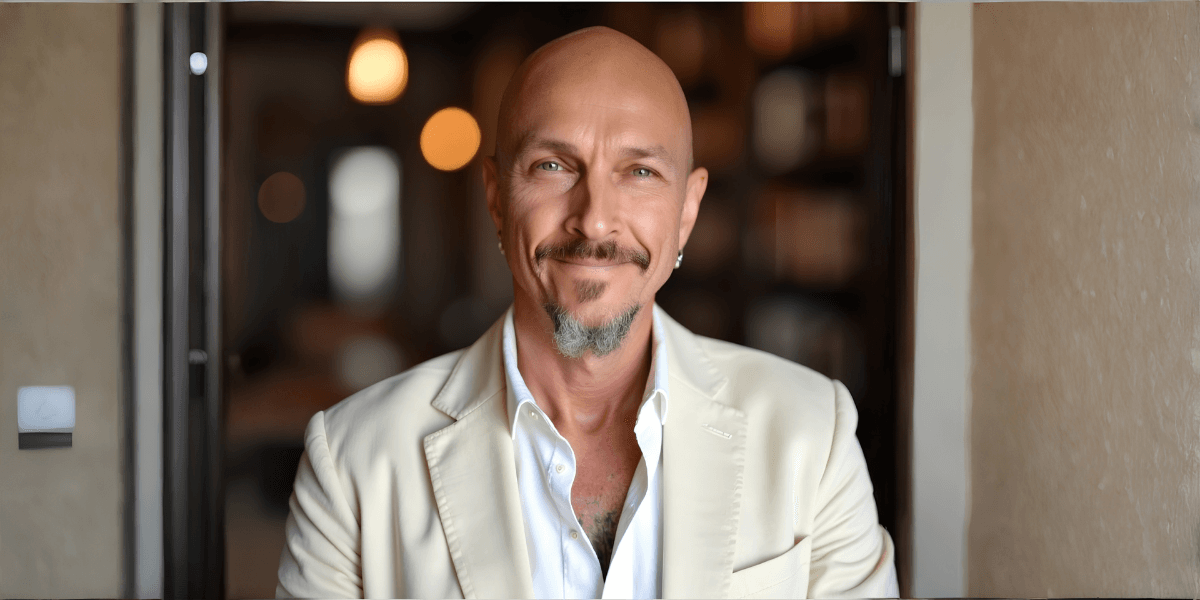
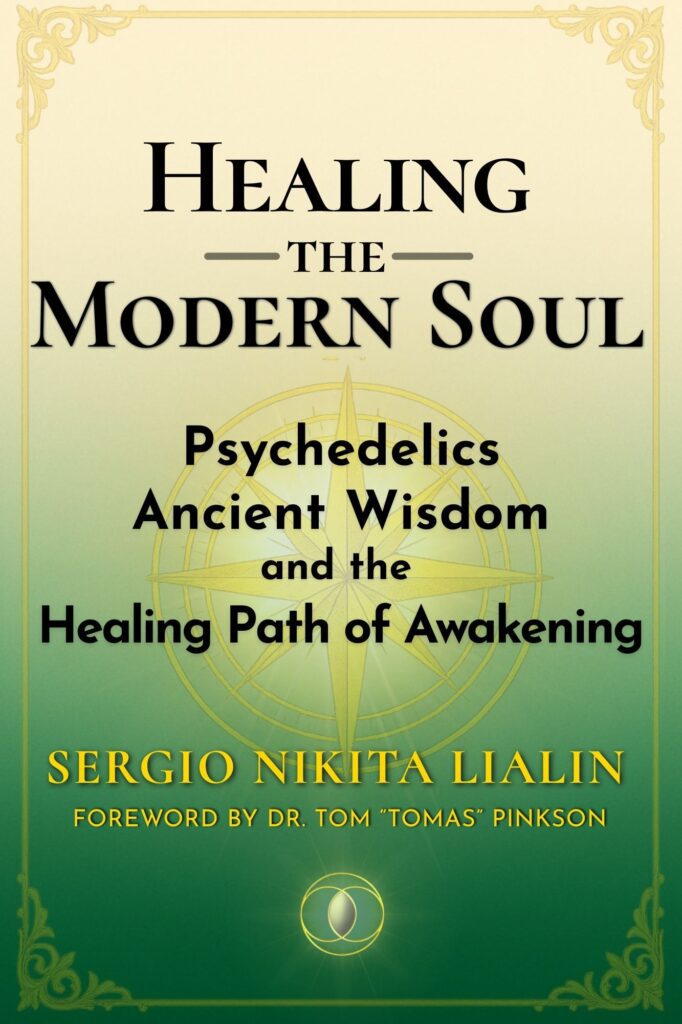
For Sergio Nikita Lialin, author of Healing the Modern Soul: Psychedelics, Ancient Wisdom, and the Healing Path of Awakening, this may be one of the defining challenges of our time. After years of guiding people through profound transformational experiences, he has come to believe that lasting change rarely begins with finding one more answer. More often, it begins by asking a better question.
His work explores a simple but easily overlooked idea: self-reflection is not passive. It is one of the most practical skills we possess, shaping the way we relate to our emotions, our relationships, and the stories we tell about ourselves.
Learning to Ask Better Questions
Many people approach personal growth hoping to eliminate anxiety, silence self-doubt, or become more productive. Lialin’s work invites a different starting point.
Instead of asking, How do I stop feeling this?, he encourages people to ask, What might this feeling be trying to show me?
Instead of asking, What’s wrong with me?, the question becomes, What happened that made this response so intelligent?
These shifts may seem subtle, yet they often transform the conversation from self-judgment to self-understanding.
Again and again, Lialin has watched people arrive believing they needed to be fixed, only to discover that many of their struggles were deeply intelligent adaptations to earlier chapters of life. What first appeared as anxiety, perfectionism, emotional distance, or people-pleasing often revealed itself as an attempt to create safety, belonging, or love.
Understanding these patterns does not excuse them. It creates the possibility of relating to them with curiosity instead of shame.
Beyond Self-Improvement
Although Healing the Modern Soul explores psychology, contemplative traditions, indigenous wisdom, somatic awareness, and psychedelic preparation and integration, it is not built around any single modality.
Rather than offering another method for optimizing performance, Lialin draws from multiple traditions to explore a broader question: What helps people become more fully themselves?
Internal Family Systems offers language for understanding protective patterns. Somatic practices remind us that the body carries its own intelligence. Contemplative traditions cultivate presence. Indigenous wisdom emphasizes relationship—with community, the natural world, and something larger than the individual self. Psychedelic experiences, when approached responsibly and integrated thoughtfully, can become powerful catalysts for inquiry rather than destinations in themselves.
Together, these perspectives point toward the same principle: lasting transformation depends less on acquiring new information than on developing a deeper relationship with one’s own experience.
“You’re Not Broken. You’re Remembering.”
One phrase has become closely associated with Lialin’s work.
“You’re not broken. You’re remembering.”
It reflects a perspective that challenges much of today’s self-improvement culture. Rather than assuming people must reinvent themselves, Lialin suggests that healing often involves recovering qualities that have been obscured by years of adaptation.
He recalls working with individuals who arrived convinced they lacked confidence, only to discover that confidence had been buried beneath decades of trying not to disappoint others. Others believed they had lost joy, only to recognize how thoroughly responsibility had crowded out play. Again and again, what emerged was not the creation of a new self but the gradual rediscovery of one that had never disappeared.
For Lialin, self-reflection is not about endless analysis. It is about learning to see ourselves clearly enough that wiser choices become possible.
Returning to Ourselves
Modern life has become remarkably effective at helping people improve their circumstances. It offers extraordinary tools for communication, productivity, and knowledge.
Yet understanding ourselves remains an entirely different practice.
Healing the Modern Soul invites readers to cultivate that practice with greater patience, honesty, and compassion. It suggests that beneath the noise of constant activity remains a quieter place from which wisdom, resilience, and meaningful change naturally emerge.
Rather than offering another formula for self-improvement, the book asks readers to develop something increasingly rare: the ability to sit with themselves long enough to discover who they have been all along.
To learn more about Sergio Nikita Lialin’s work, visit healingthemodernsoul.com, connect with him on LinkedIn, or follow his reflections on Instagram.

Today’s Read Contributor
Harriet Nyong'o
Covers authors and their working lives, profiling the writers behind the year's most discussed books.
This article features partner, contributor, or branded content from a third party. Members of the Today’s Read editorial staff were not involved in the creation of this content. All views and opinions are those of the contributor alone.