SS United States Begins A New Chapter Beneath The Sea
The historic SS United States enters a new chapter as an artificial reef, creating a major attraction for marine life and divers.
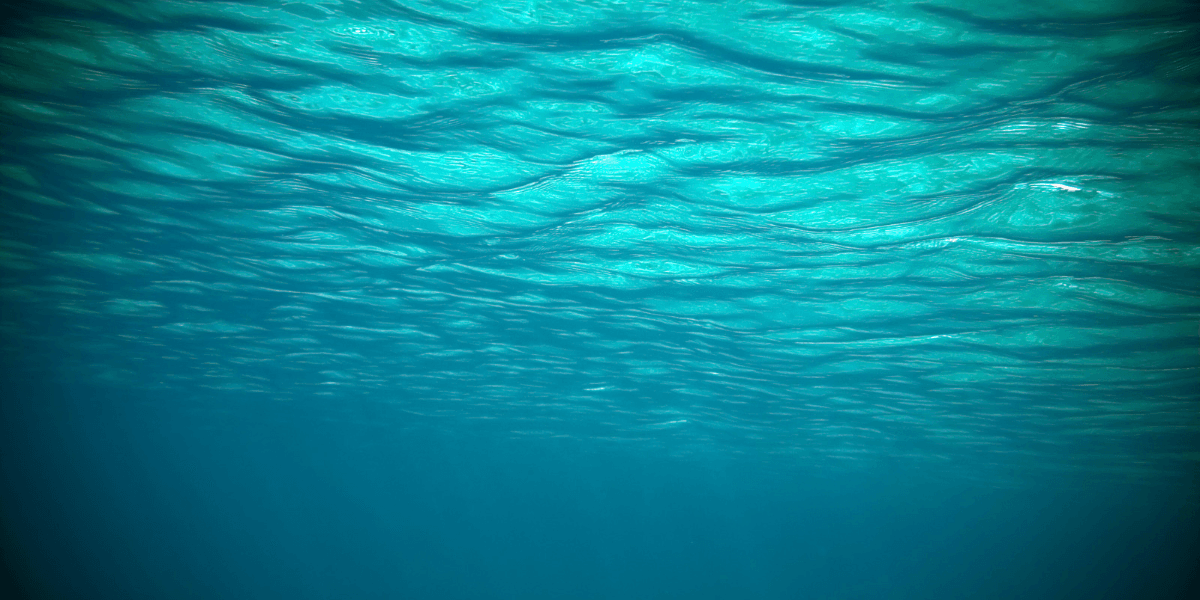
For decades, the SS United States represented American engineering, ocean travel, and an era when crossing the Atlantic by ship was an experience in itself. On November 11, 2026, the historic ocean liner became part of a very different story. The vessel was intentionally sunk off the coast of Florida to create an artificial reef, transforming a famous piece of maritime history into an underwater destination.
The event marks a significant development in the preservation and repurposing of historic vessels. Rather than remaining inactive at a dock, the former passenger liner is beginning a new role beneath the ocean's surface. Its transformation also highlights the growing interest in artificial reefs as a way to create marine habitats and support recreational diving.
A Historic Ocean Liner Makes Its Final Journey
The SS United States was one of the most recognizable passenger ships in American maritime history. Built in Newport News, Virginia, the vessel entered service in 1952. It became famous for its speed and engineering, setting a transatlantic speed record during its maiden voyage.
At approximately 990 feet long, the ship was larger than the Titanic. It completed more than 800 Atlantic crossings and carried thousands of passengers during its years of operation. Its guests included prominent entertainers, public figures, and travelers seeking the comfort of transatlantic ocean travel.
However, the growth of commercial aviation gradually reduced demand for passenger ocean liners. The SS United States completed its final commercial voyage in 1969. Afterward, it spent decades moving between ownership arrangements and locations while efforts to preserve the vessel continued.
Its future changed when Okaloosa County, Florida, acquired the ship in 2024. County officials developed a plan to transform it into an artificial reef off the Gulf Coast, creating a new destination for marine life, divers, and visitors.
Why November 11 Became The Deployment Date
The deployment was initially scheduled for November 12, 2026. However, forecasts of strong winds and potentially unsafe weather conditions prompted Okaloosa County to move the operation forward by one day.
The decision allowed the project to proceed under a more suitable schedule. Deployment operations began on November 11, with the vessel positioned approximately 22 nautical miles southwest of Destin and Fort Walton Beach.
The sinking was a controlled operation that required careful preparation. Before deployment, crews spent more than a year preparing the ship. They removed hazardous materials, addressed potential environmental concerns, and created openings in parts of the vessel to help marine organisms access its interior.
According to reporting by the Associated Press, the operation used seawater to flood the ship's tanks. No explosives were used. The vessel gradually descended before disappearing beneath the Gulf of Mexico later that evening.
The successful deployment marked the end of the ship's active maritime life and the beginning of its new purpose as an underwater structure.
How An Artificial Reef Can Support Marine Life
Artificial reefs are human made structures placed underwater to provide surfaces and spaces where marine organisms can establish habitats. Depending on their location, condition, and surrounding environment, these structures can attract fish, invertebrates, algae, and other marine species.
The SS United States offers an unusually large structure for this purpose. Its size creates numerous potential surfaces and sheltered areas where marine organisms can eventually establish themselves.
However, the ecological benefits will take time to evaluate. The presence of a large structure does not automatically guarantee a healthy ecosystem. Researchers must observe how organisms colonize the vessel and how the surrounding marine environment responds.
Scientists from the Woods Hole Oceanographic Institution are preparing to study the development of the reef. Their research will examine how marine organisms establish communities on a large artificial structure and how the ecosystem changes over time.
This makes the project particularly interesting from a scientific perspective. Researchers have an opportunity to document ecological development from the beginning rather than studying a reef that has existed for many years.
The findings may help improve understanding of artificial reef development and provide useful information for future marine research.
A New Destination For Divers And Coastal Communities
Beyond its scientific importance, the project is expected to create new opportunities for recreational diving and coastal tourism.
Destin and Fort Walton Beach already have an established artificial reef program. The addition of the SS United States strengthens the area's collection of underwater attractions and gives experienced divers another historic structure to explore.
The ship's depth and size mean that diving opportunities will depend on appropriate training, equipment, weather, and safety conditions. It is not an ordinary recreational swimming location.
The project also gives the historic vessel a continuing connection to the public. Although the ship itself is now underwater, important artifacts and structural features were preserved for a planned land based museum. These materials will help visitors learn about its engineering, history, and contribution to American maritime travel.
What The SS United States Project Means
The transformation of the SS United States demonstrates how historic structures can sometimes serve new purposes after their original functions have ended.
Its journey from an internationally recognized passenger liner to an artificial reef brings together maritime history, environmental research, and tourism. It also creates an opportunity for scientists to study how marine ecosystems develop around large underwater structures.
For readers interested in marine science and American history, the project offers an important reminder that historical preservation can take different forms. Some parts of the past remain on display in museums, while others can become part of a changing natural environment.
The SS United States may no longer carry passengers across the Atlantic, but its story has not ended. Beneath the waters of the Gulf of Mexico, the historic liner begins a new chapter, one that researchers, divers, and future generations will have an opportunity to explore.

Today’s Read Contributor
Desmond Clarke
Covers the publishing industry and narrative nonfiction, from acquisitions and imprints to the biographies readers are talking about.
This article features partner, contributor, or branded content from a third party. Members of the Today’s Read editorial staff were not involved in the creation of this content. All views and opinions are those of the contributor alone.